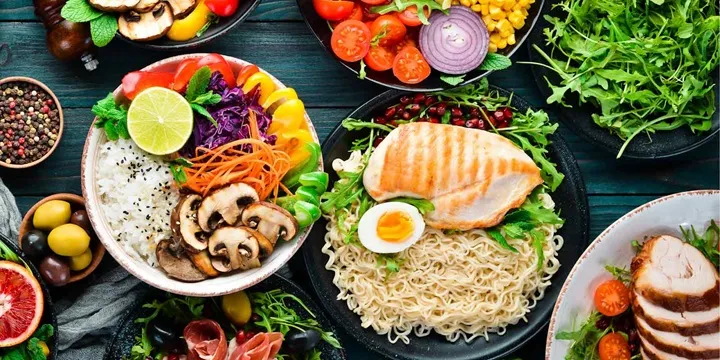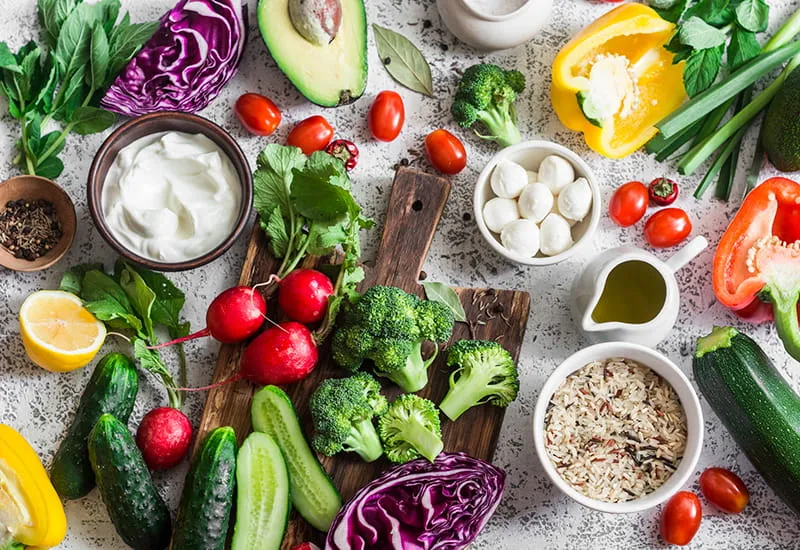
Colour
Deep greens as a starting point
We describe how cooks layer bitter leaves with mild oils so the palate stays balanced. The language stays descriptive rather than prescriptive.
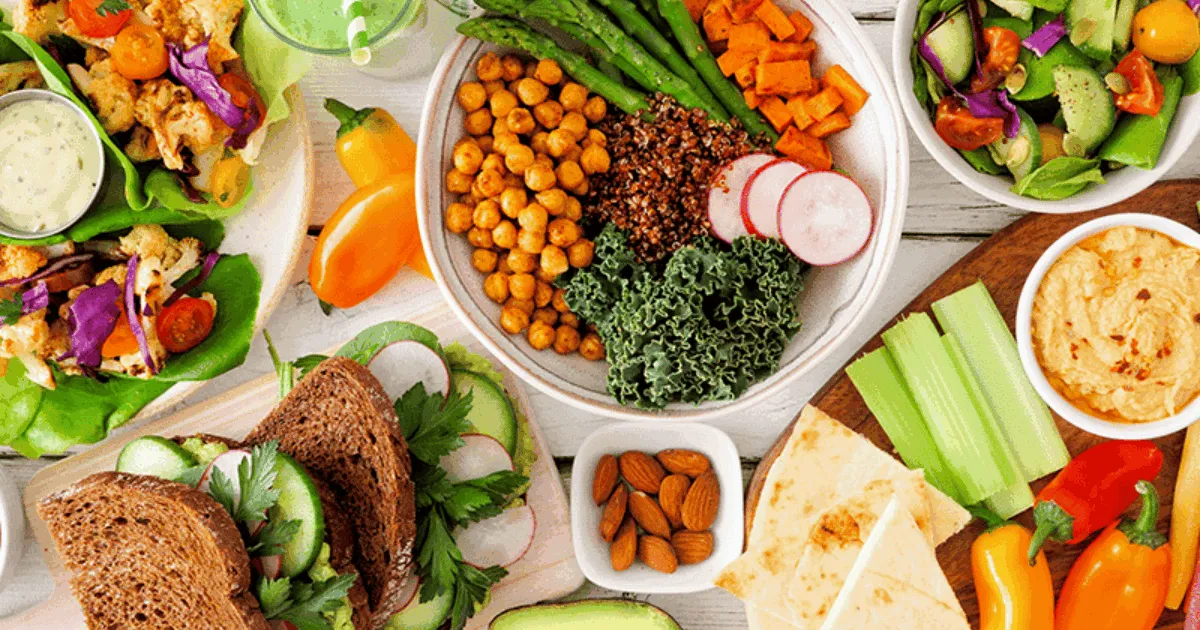
Tables filled with bowls often look busier than a minimalist set. We borrow that rhythm so each page feels like a harvest spread: overlapping cards, soft shadows, and room to breathe between notes.
Nothing here replaces professional dietary advice. These guides sit alongside everyday cooking and aim to describe ingredients in plain language.
Each card pairs a photograph with a short note. Images stay within a fixed frame so nothing looks stretched on wide monitors.
We describe how cooks layer bitter leaves with mild oils so the palate stays balanced. The language stays descriptive rather than prescriptive.
A squeeze at the end can lift roasted vegetables. We outline simple pairings that respect regional availability.
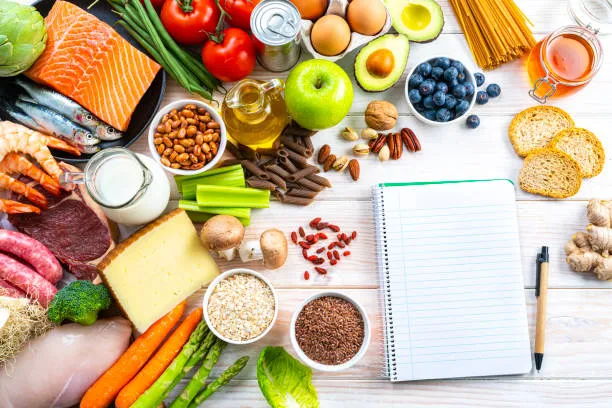
Roasting notes focus on colour change and aroma cues instead of timers alone, so you can adapt to your oven.
Scroll while hovering the card to change its scale. Double-click the card to reset the accent tint. This is a playful UI detail, not a nutrition calculator.
Wheel or trackpad · reset with double-click
Roasted beets, cooked grains, yogurt, and herbs. The card grows so you can imagine enlarging a printed recipe card on a counter.